2026-10-01 ·
Winter Biohazard Risks From Frozen Pipes In Yankton Homes
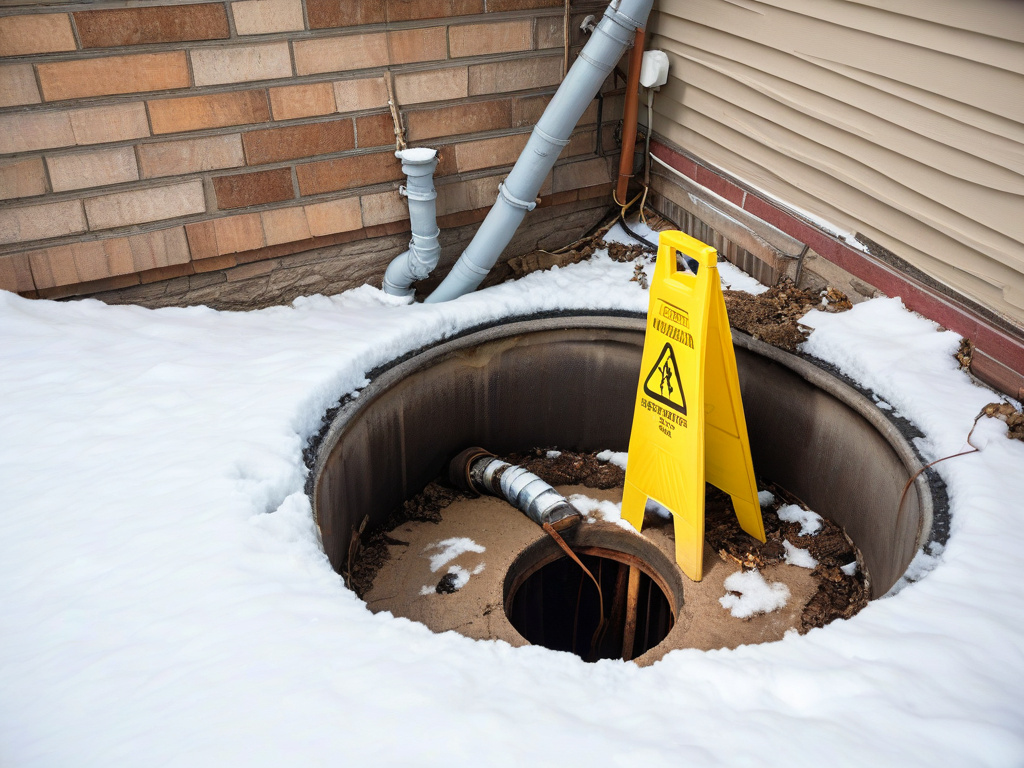
Frozen pipes in Yankton homes often create biohazard risks within 24 to 48 hours after a thaw if water mixes with household waste or reaches soil around foundations. In a humid continental climate, rapid temperature swings from subzero nights to warmer days stress plumbing in homes built before 1960, which are common in Downtown and Hilltop neighborhoods.
How Frozen Pipes Lead to Contamination
Burst supply lines release standing water that seeps into floor joists and subfloors, creating conditions where bacteria from nearby drains multiply quickly. When the leak reaches a sewer line or septic connection, pathogens spread through porous materials like plaster and hardwood that absorb moisture in Yankton's clay-heavy soils. Homes near Gavins Point Dam experience higher groundwater tables that push contaminants upward during spring melts. Crews responding to these scenes frequently find black water pooling in basements of Hilltop properties after a single hard freeze. The Yankton County Historical Society district contains many two-story frame houses with galvanized lines that crack under expansion, allowing fecal matter and urine to migrate into living spaces. Proper containment requires negative air machines and HEPA filtration to prevent airborne particles from reaching adjacent rooms.
Local Housing Stock and Terrain Factors
Yankton's older housing stock in Downtown features narrow lots with shared walls that allow moisture to travel between properties once a pipe bursts. Hilltop homes sit on slopes where runoff carries contaminated water toward Lewis and Clark Lake, increasing the chance of cross-contamination during heavy winter rains. Soil around the Missouri River retains moisture longer than the drier ground near Mitchell or Sioux Falls, so drying times stretch to 5–7 days even with industrial equipment. Homeowners in these areas often discover hidden mold colonies behind baseboards weeks after the initial freeze because the water traveled along foundation cracks created by seasonal frost heave. Addressing the biohazard early limits the spread into HVAC systems that circulate air through multiple floors.
Practical Response Steps for Homeowners
Shut off the main water valve immediately when pressure drops or ice forms in exposed pipes. Document the affected rooms with photos before any cleanup begins, noting the path water took from the burst point. Remove saturated carpets and padding within the first day to reduce bacterial growth, then isolate the space with plastic sheeting taped at seams. Avoid using household fans that can aerosolize particles; instead, wait for professional assessment of whether the water contacted sewage lines. Properties in rural sections outside Yankton proper face added challenges when frozen lines affect well or septic systems, requiring coordinated testing of soil samples before reoccupancy.
Connecting to Professional Biohazard Services
When contamination involves sewage or bodily fluids, Biohazard Remediation teams use EPA-registered disinfectants and ATP testing to verify surfaces meet safety standards. For water events that back up through drains, Sewage Backup Cleanup protocols include removal of affected drywall up to 18 inches above the water line and disposal of porous items that cannot be sanitized. Readers facing related rural waste issues may find additional guidance in How To Handle Animal Waste Biohazards On Rural Yankton Properties. These steps prevent long-term odor and health concerns that arise when winter damage goes unaddressed in Yankton's variable climate.