2026-10-01 ·
How To Handle Animal Waste Biohazards On Rural Yankton Properties
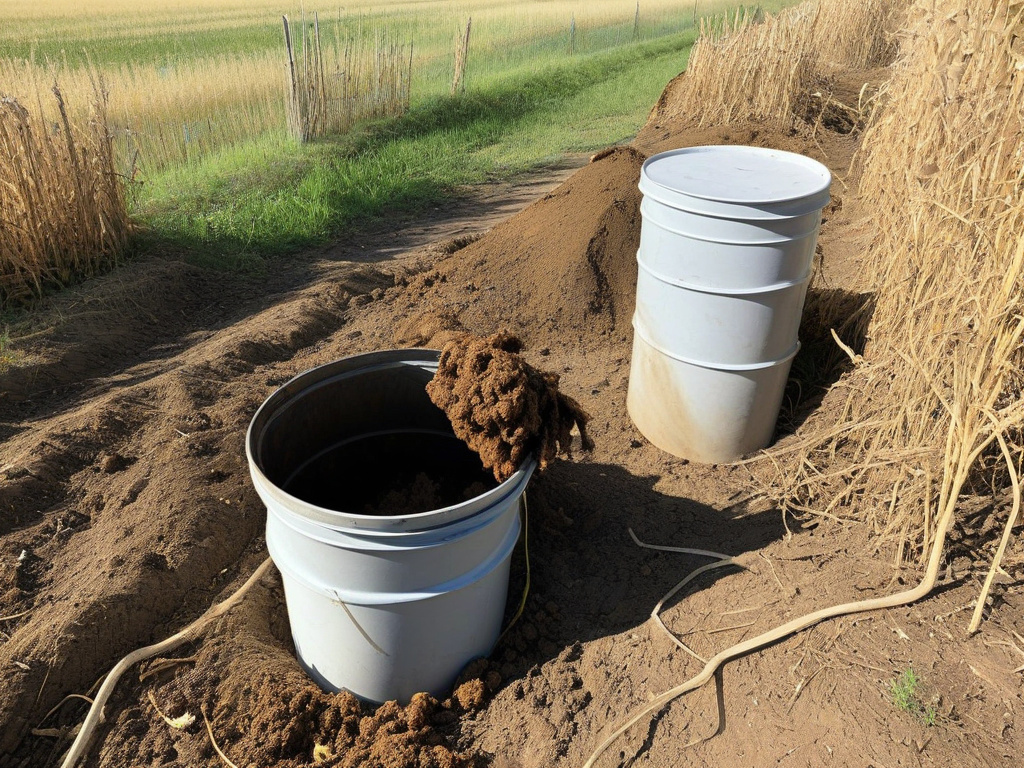
On rural Yankton properties, begin by securing the site with gloves, respirators rated for organic vapors, and disposable coveralls, then isolate the affected soil or flooring within 24 hours to limit airborne spores and bacterial spread during humid continental summers.
Assessing Waste Accumulation on Yankton County Rural Sites
Yankton County farms often feature older barns and outbuildings near Lewis and Clark Lake where livestock waste collects in corners or under feed troughs. Hot summers push temperatures above 90 degrees, speeding decomposition and releasing ammonia that penetrates wood and concrete. Walk the perimeter first, noting drainage toward Gavins Point Dam that can carry contaminants into wells. Measure affected areas in square feet rather than guessing volume. Check for signs of repeated exposure such as stained soil layers or corroded metal. Properties between Yankton and Mitchell frequently show deeper penetration because freeze-thaw cycles crack foundations, allowing urine to reach subsoil. Document moisture levels with a simple meter before any disturbance.
Containment Steps for Summer Conditions
Contain visible droppings by misting lightly with water to suppress dust, then scoop into heavy-duty biohazard bags rated for 10-mil thickness. Seal each bag immediately and label with date and location. In hot weather, work during early morning hours before 8 a.m. to avoid heat stress while wearing full PPE. Place absorbent pads under any liquid waste near Hilltop-area pastures where clay soils hold moisture longer. Never use household vacuums, as they aerosolize particles that can travel through open windows into living spaces. Store sealed bags in a shaded, ventilated trailer away from the main house until transport. These steps keep exposure time under 30 minutes per session on most 5-acre parcels.
Soil and Structure Remediation Techniques
Remove the top 4–6 inches of contaminated soil on dirt floors and replace with clean fill, then treat the new layer with an EPA-registered disinfectant labeled for animal pathogens. For wooden beams in older barns, scrub with a 1:10 bleach solution followed by thorough rinsing and drying with fans. Concrete slabs require mechanical scarification if staining reaches 1/8 inch deep. Properties near the Yankton County Historical Society grounds often have limestone foundations that absorb urine; pressure washing alone fails here and may require poultice application for 48 hours. Track weather forecasts, because rain within 24 hours of treatment can re-contaminate freshly cleaned areas. Test pH and ammonia levels after drying to confirm reduction below 25 ppm before reuse.
When to Engage Professional Services
Persistent odors lasting more than two weeks after basic removal or visible mold growth on insulation signal the need for Rodent & Animal Infestation Cleanup. Larger accumulations exceeding 50 square feet or waste near water sources such as wells call for Feces & Urine Cleanup teams equipped with negative-air machines. Review cost factors in advance through resources like What Influences Biohazard Remediation Costs In Yankton South Dakota to understand variables such as soil depth and access on rural routes. Dispatch remains available 24/7 from the Yankton base for situations where family members or livestock show respiratory irritation. Professional equipment reaches subfloor voids that homeowner methods cannot address safely.