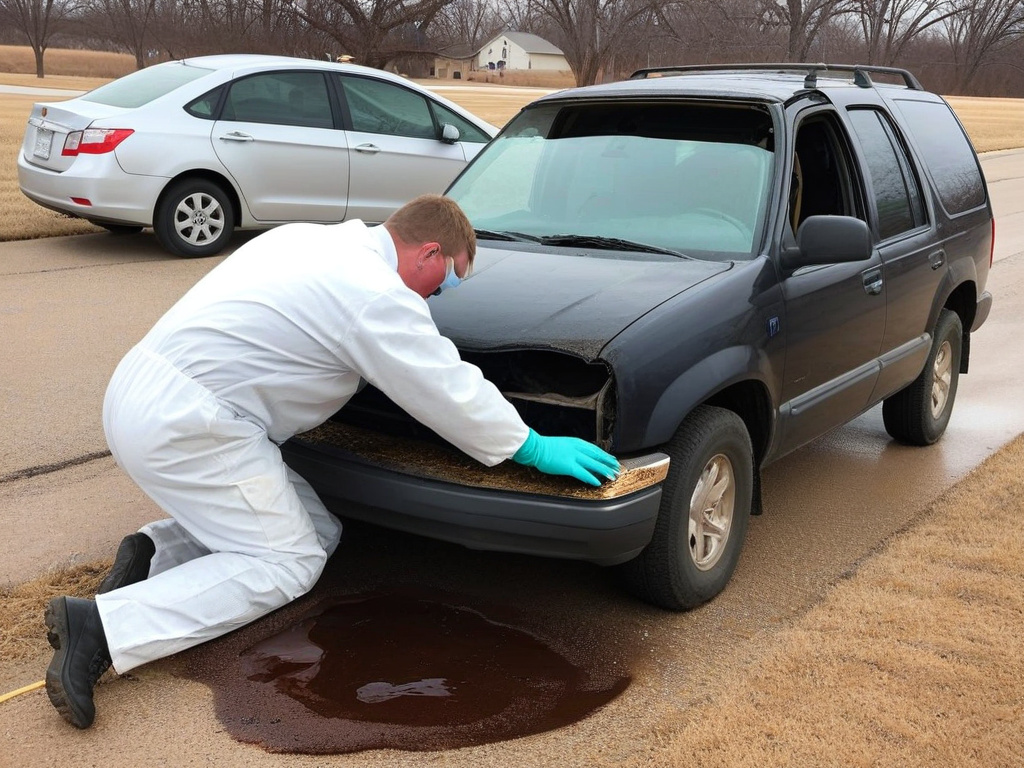
Vehicle interiors in Yankton trap bodily fluids in carpet, seat foam, and door panels, especially during hot summer months when temperatures accelerate bacterial growth and odor penetration. Standard detailing fails to reach subfloor layers or HVAC ducts where pathogens linger, requiring EPA-registered disinfectants and negative-air containment to prevent cross-contamination into the passenger cabin. Crews must account for older trucks common on county roads near Gavins Point Dam, where vinyl and cloth surfaces hold stains differently than newer models.
Edge cases include fluid migration into seat tracks or under floor mats after accidents on routes between Yankton and Sioux Falls, where vibration loosens dried material. Technicians test surfaces with ATP meters before and after treatment because humidity from the Missouri River area can reactivate odors days later. All waste is double-bagged and transported to approved disposal sites per South Dakota regulations, avoiding any on-site dumping that could affect soil near Lewis and Clark Lake.
Homeowners often attempt enzyme cleaners themselves, which only mask smells in porous headliners and leave residue that attracts more moisture during humid periods. Professional protocols include full seat removal when needed and ozone treatment calibrated to vehicle size to avoid damaging electronics common in modern cars driven from Mitchell.
Technician insight
In Yankton, the thing that catches most people out with Tear/Bodily Fluid Cleanup in Vehicles is how quickly fluids soak into seat foam during our hot summers, then reappear as odors once the car sits parked overnight near the river humidity. Owners try wiping the surface and think it's gone, but the real work is pulling the seats in Hilltop driveways to treat what migrated under the rails.
Fluid Incident In Parked Vehicle Near Downtown
A truck parked in Downtown Yankton showed fluid stains across the driver's seat and floor after an unattended event. Inspection revealed migration into the carpet padding and seat tracks from summer heat. Crews removed the seat assembly, extracted and disinfected the subfloor, then treated the HVAC. The vehicle passed clearance testing and was returned without residual odor.
Tear/Bodily Fluid Cleanup in Vehicles Services We Offer
✓Blood Stain Extraction From Upholstery
Targeted removal of dried blood from cloth and leather seats using enzymatic agents that break down proteins without damaging vehicle materials.
✓Tear Fluid and Saliva Decontamination
Neutralization of tear and saliva residues on dashboards, steering wheels, and center consoles with hospital-grade disinfectants safe for electronics.
✓Trunk and Cargo Area Remediation
Deep cleaning of bodily fluids in truck beds and SUV cargo spaces, including removal of contaminated liners and treatment of metal surfaces.
✓Vehicle HVAC System Sanitization
Fogging and filter replacement to eliminate biohazard particles circulated through air vents after fluid incidents in the cabin.
✓Carpet and Floor Mat Replacement Coordination
Assessment and disposal of saturated carpet sections with sourcing of matching replacements for common Yankton vehicle models.
How it works
- 1
Initial Assessment
Technician inspects all affected surfaces inside the vehicle, noting fluid paths into seams and under trim.
- 2
Containment Setup
Plastic barriers and negative air are established to isolate the vehicle before any cleaning begins.
- 3
Fluid Removal And Disinfection
Enzymatic cleaners and EPA disinfectants are applied, followed by extraction and repeated testing.
- 4
Odor Neutralization
Ozone or hydroxyl treatment runs until readings confirm no remaining biological odors.
- 5
Final Clearance
Vehicle is released only after surfaces pass ATP verification and documentation is provided.
Pricing
Cost depends on vehicle size, extent of fluid penetration, and whether seats or carpet must be removed.