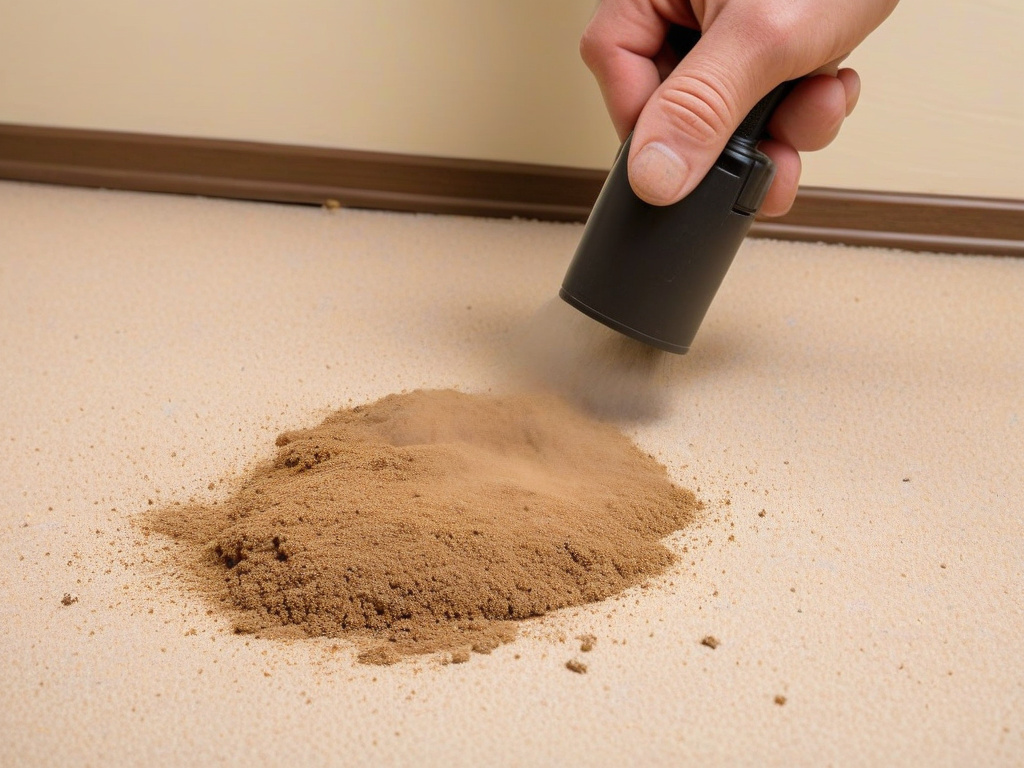
Yankton's older housing stock in Downtown and Hilltop neighborhoods often features plaster walls and hardwood floors installed before 1960 that readily absorb fingerprint powders and chemical residues. Hot humid continental summers accelerate the bonding of these materials into porous surfaces, requiring specialized enzymatic cleaners and HEPA filtration rather than standard detergents. Work near Gavins Point Dam and Lewis and Clark Lake properties adds moisture considerations because elevated humidity from the Missouri River corridor can extend drying times and increase the risk of secondary mold growth if residues are not fully extracted.
Technicians must account for Yankton County regulations on biohazard waste transport when moving materials to disposal sites outside the county, often routing through routes toward Sioux Falls or Mitchell. Fingerprint dust from law enforcement processing frequently settles into HVAC systems in single-story ranch homes common on the Hilltop, demanding duct cleaning alongside surface work to prevent recontamination. Edge cases include residue trapped in crawl spaces under older Downtown buildings where poor ventilation and seasonal temperature swings complicate access and increase exposure risks for occupants.
Verification after removal uses blacklight and swab testing calibrated for the specific powders used by local agencies rather than visual inspection alone. Failure to address embedded particles in textured ceilings typical of mid-century Yankton construction leads to callbacks when summer heat reactivates odors or visible transfer. All work follows strict chain-of-custody protocols for any items collected during the process.
Technician insight
In Yankton the thing that catches most people out with Crime Scene Residue & Fingerprint Dust Removal is how quickly summer humidity locks powders into the plaster and oak floors of pre-1960 Hilltop homes, especially when the crawl space stays damp from the river corridor.
Downtown Yankton Home After Investigation
Fingerprint dust and residue had settled into plaster walls and forced-air ducts of a 1940s Downtown house. We isolated the system, extracted particles from both visible surfaces and ductwork, then verified clearance with blacklight and swab tests before returning the home to the family.
Crime Scene Residue & Fingerprint Dust Removal Services We Offer
✓Fingerprint Powder Extraction
Removes fine black and magnetic powders from walls, fixtures, and HVAC returns in older Yankton homes where summer humidity sets particles into plaster and wood.
✓Chemical Residue Neutralization
Neutralizes and extracts cleaners and luminol used during investigations from flooring and cabinetry common in Hilltop properties.
✓Blood Trace Removal
Targets microscopic blood traces on porous surfaces using enzymatic treatments suited to the region's humid climate that can otherwise promote bacterial growth.
✓Post-Investigation HVAC Cleaning
Cleans ductwork and registers in single-story homes near Downtown Yankton where fingerprint dust circulates through aging forced-air systems.
✓Crawl Space Decontamination
Addresses residue migration into underfloor areas typical of pre-1960 Yankton County houses where moisture from the river valley complicates drying.
How it works
- 1
Site Assessment
Document visible and hidden residues while noting construction details of the Yankton property and any moisture issues from the local climate.
- 2
Containment Setup
Isolate affected rooms with plastic barriers and negative air machines to prevent cross-contamination in connected older homes.
- 3
Residue Extraction
Apply targeted cleaners and mechanical removal methods calibrated for the specific powders and surfaces encountered.
- 4
Verification and Clearance
Perform testing and final cleaning before restoring the space for safe reentry.
Pricing
Pricing depends on square footage, surface types, and access difficulty in older Yankton homes; upfront quotes provided after assessment.