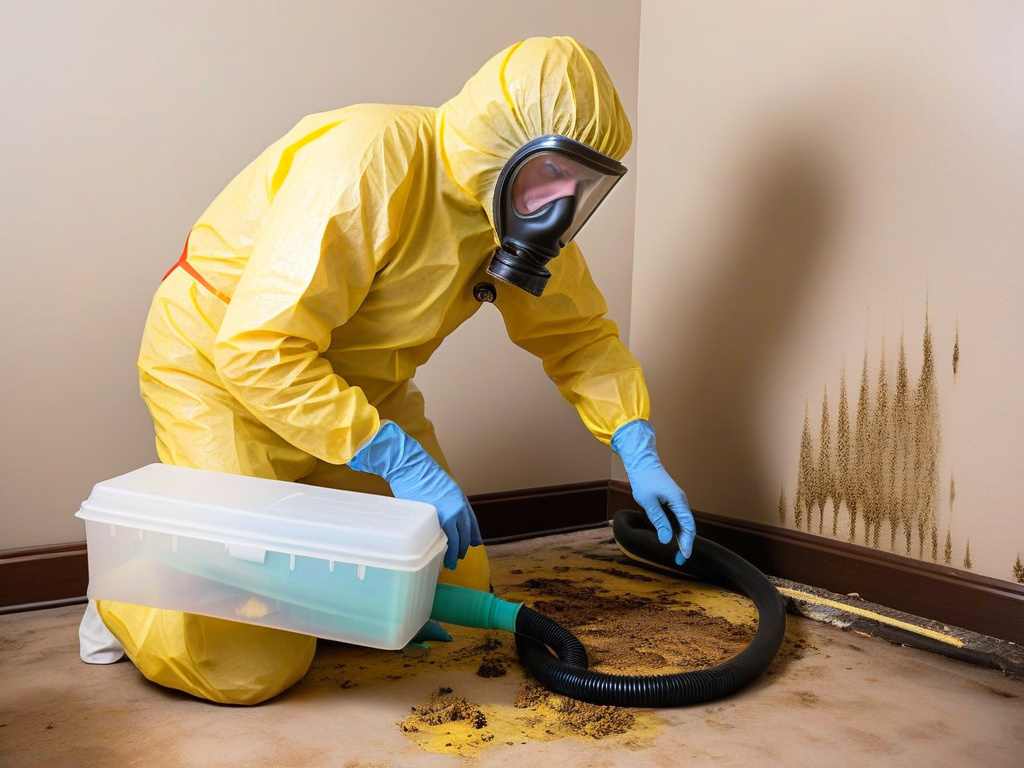
Yankton Bio Hazard Cleanup handles biohazard remediation and unattended death cleanup calls in Tabor from our Yankton base with 24/7 dispatch. Tabor sits on rolling terrain just off Highway 50 with a mix of older single-story homes, farmhouses built before 1960, and a handful of newer builds near the edges. Summer heat and humidity speed up odor and fluid migration through crawlspaces and older floorboards, so crews focus on full subfloor removal and targeted ventilation before any sealing work begins.
Access in Tabor often means narrow gravel driveways and tight basement stairs common to the original housing stock. We stage equipment at the street on Main Street or near Tabor Park to avoid blocking neighbors, then move supplies by hand through side doors or garage entries. This keeps disruption low for the small lots that back up to fields where drainage can carry residue toward nearby properties after heavy rain.
Property owners in Tabor call us when county roads limit quick response from larger cities like Sioux Falls or Mitchell. Our teams know the exact turnoffs off Highway 50 and the best routes around the Tabor School area to reach homes quickly without drawing attention.
Around Tabor, SD
We regularly work near:
- 📍Tabor Park
- 📍St. Wenceslaus Catholic Church
- 📍Tabor Elementary School
- 📍Tabor City Hall
- 📍Main Street Tabor
- 📍Highway 50
Biohazard Remediation in Tabor, SD — Local Notes
- •Tabor's pre-1960 farmhouses often have partial basements with low ceilings that require smaller equipment and extra shoring during biohazard remediation.
- •Hot humid summers increase bacterial growth rates in unattended death cases, especially in south-facing rooms with single-pane windows common on Main Street properties.
- •Gravel driveways and shallow ditches around Tabor Park lots can channel runoff, so crews install temporary containment berms before starting any fluid extraction.
- •Older septic systems tied to homes near St. Wenceslaus Catholic Church need careful inspection because biohazard liquids can migrate into drain fields faster than in city sewer areas.